
Crypto Markets in Q2 2026: Challenges and Opportunities
A Rough Quarter for Crypto Markets
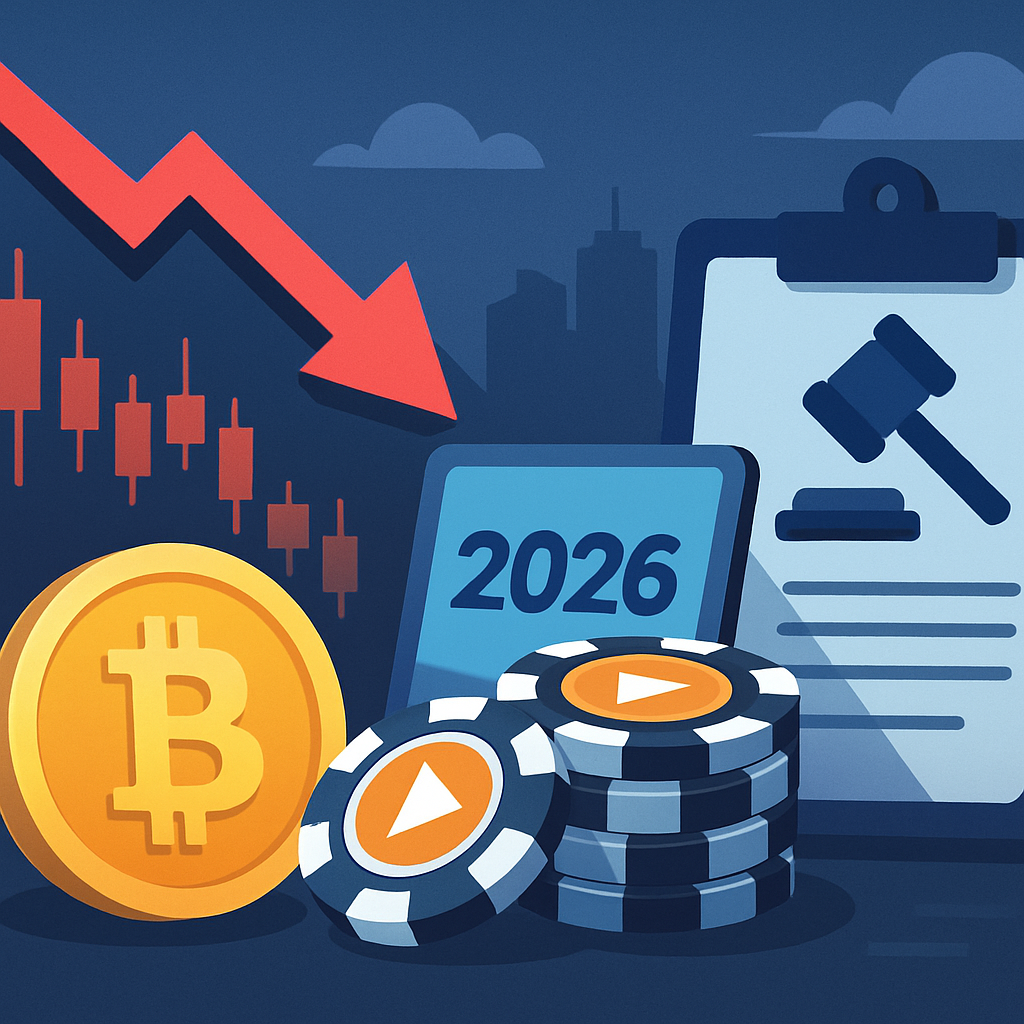
The close of Q2 2026 has been less than stellar for crypto markets, with the overall market cap shedding approximately $305 billion. Spot volumes on centralized exchanges have also plummeted by about 28%. Tokens have generally underperformed, yet there’s a silver lining: prediction markets have reached a record high, boasting around $114 billion in notional volume. This surge suggests that while investors may hesitate to buy coins in a down market, the appetite for on-chain betting remains strong.
Particularly noticeable is the focus on U.S. policy within these prediction markets. Traders are increasingly betting on political gridlock, with the odds of the CLARITY/Crypto Clarity Act becoming law by 2026 remaining low and volatile. Despite ongoing hearings and real bipartisan support, traders seem to be adopting a "wait and see" approach regarding Washington’s actions.
Regulatory Developments and Challenges
Regulation is advancing at different paces across continents. In Europe, the MiCA transition period has ended, requiring every EU-serving crypto platform to hold a CASP license. This development is bringing traditional institutions like banks deeper into the crypto space, even as smaller players face increased scrutiny. Conversely, the U.S. has witnessed a series of enforcement actions, including a major indictment against a South Dakota investor involved in an alleged Ponzi scheme.
- The Netherlands saw the bankruptcy of the Dutch exchange Knaken following a €7 million deficit in customer funds.
- In Argentina, the crackdown has extended to memecoins, with major exchanges ordered to freeze wallets linked to the $LIBRA token.
- In the UK, a court sentenced fraudsters who impersonated police to steal over £4 million in crypto.
Infrastructure Growth and Strategic Moves
Despite the challenges, the infrastructure supporting crypto continues to grow. Tether’s USDT (USDT) is expanding rapidly, particularly in emerging markets, approaching a market cap of $190 billion. This growth is causing concern among central bankers about the potential impact on traditional banking systems. In Asia, SBI Holdings has broadened its reach by acquiring a stake in Singapore’s Coinhako, while Bybit has expanded into Indonesia, signaling strategic growth in regulated retail markets.
Meanwhile, companies are making significant moves both in terms of consolidation and branding. Keyrock’s acquisition of BlockFills’ institutional trading assets highlights the trend towards leveraging balance sheet strength for competitive advantage. Additionally, Galaxy Digital’s long-term sponsorship deal with Texas Tech underscores a commitment to building enduring brand presence in the crypto and AI sectors.
Key Takeaway: While Q2 2026 posed challenges for token prices and trading volumes, the underlying crypto infrastructure continues to evolve and expand. Regulatory clarity is emerging, albeit unevenly, and fraud remains a risk. However, strategic investments in regulated platforms and infrastructure signal a maturing market poised for long-term growth.
Comments
Comments
Post a Comment