
 ```html
The Shifting Landscape of Crypto: Innovation, Regulation, and Politics
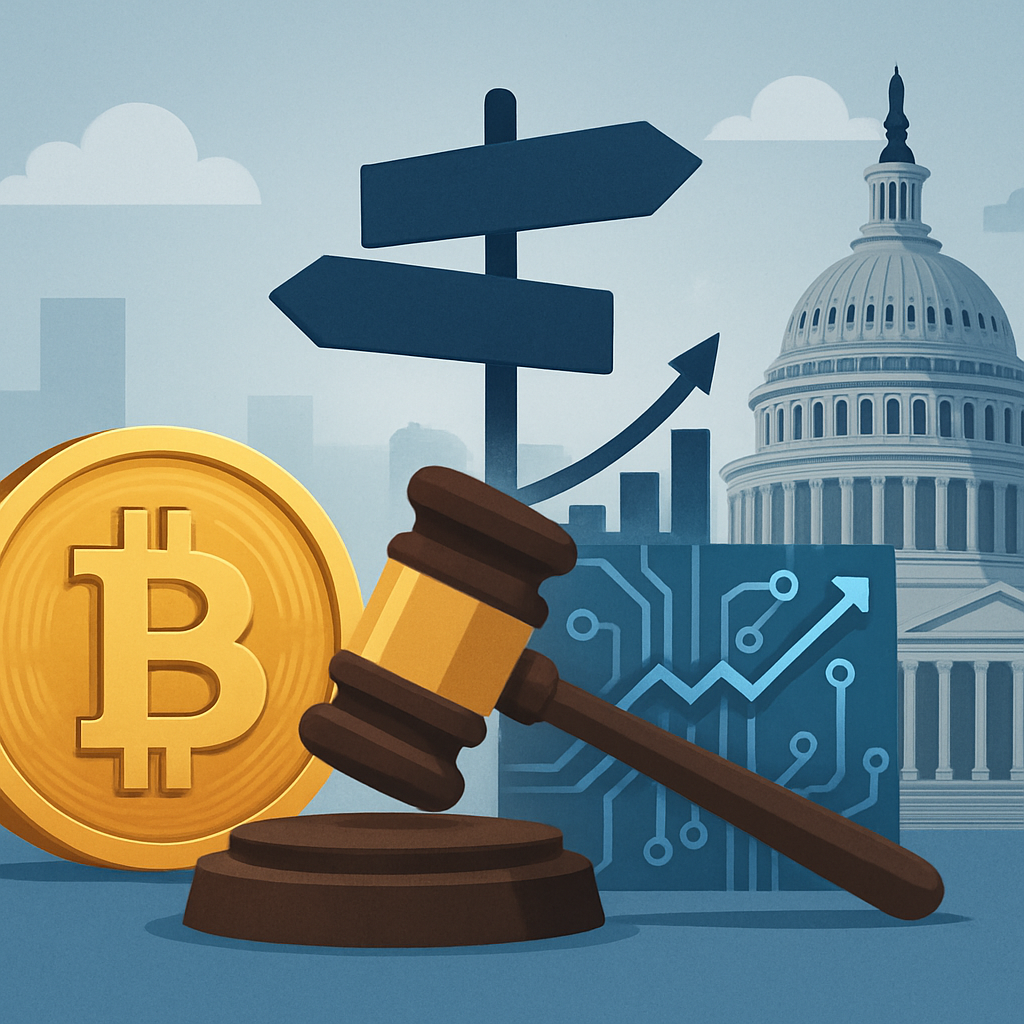
The sun is setting on another wild day in crypto, where innovation intersects with regulation and politics. As the digital currency world evolves, global leaders and lawmakers are grappling with how to best navigate this rapidly changing landscape.
Illinois' Tax Experiment and the Federal Response
In a groundbreaking move, Illinois has introduced a 0.2% tax on crypto transactions. The reaction from the Commodity Futures Trading Commission (CFTC) Chair Michael Selig was swift and critical. Selig warned that such taxes could drive businesses away from financial hubs like Chicago, undermining local efforts to attract capital and startups. As the nation inches closer to a unified crypto framework, the debate over state versus federal regulation is heating up.
CLARITY Act: A Pivotal Moment for US Crypto Regulation
Amidst the regulatory chaos, the US Senate is considering the CLARITY Act, a bill designed to provide much-needed guidance and stability to the crypto industry. With backing from influential figures like Senator Cynthia Lummis and law enforcement endorsements, the Act is gaining traction. However, as Congress debates the bill's provisions, ethical questions loom large, particularly regarding potential conflicts of interest involving key policymakers.
- Senator Kirsten Gillibrand's involvement with a derivatives exchange founded by her son has raised eyebrows.
- The Trump family's significant earnings from crypto memecoins in 2025 amplify the ethical debate.
International Regulatory Divergence
While the US grapples with its crypto future, other countries are taking varied approaches. Brazil is implementing strict prudential rules, treating crypto platforms as traditional financial institutions by 2027. In stark contrast, India's central bank is cautious, advocating for a ban on private crypto while promoting state-backed digital currencies. These divergent paths underscore the complex global regulatory landscape.
Europe, on the other hand, is embracing clarity with its MiCA framework, offering a unified regulatory environment for crypto businesses. This has allowed firms like Bridge to expand their stablecoin services across the EU with ease.
Key Takeaway: As crypto continues to mature, the interplay between innovation, regulation, and politics is becoming increasingly intricate. From Illinois' tax policies to Europe's regulatory clarity, these developments will shape the future of the crypto market and its role in the global financial system.
```
Comments
Comments
Post a Comment