
 ```html
The Evolving Crypto Landscape: Striking a Balance Between Innovation and Regulation
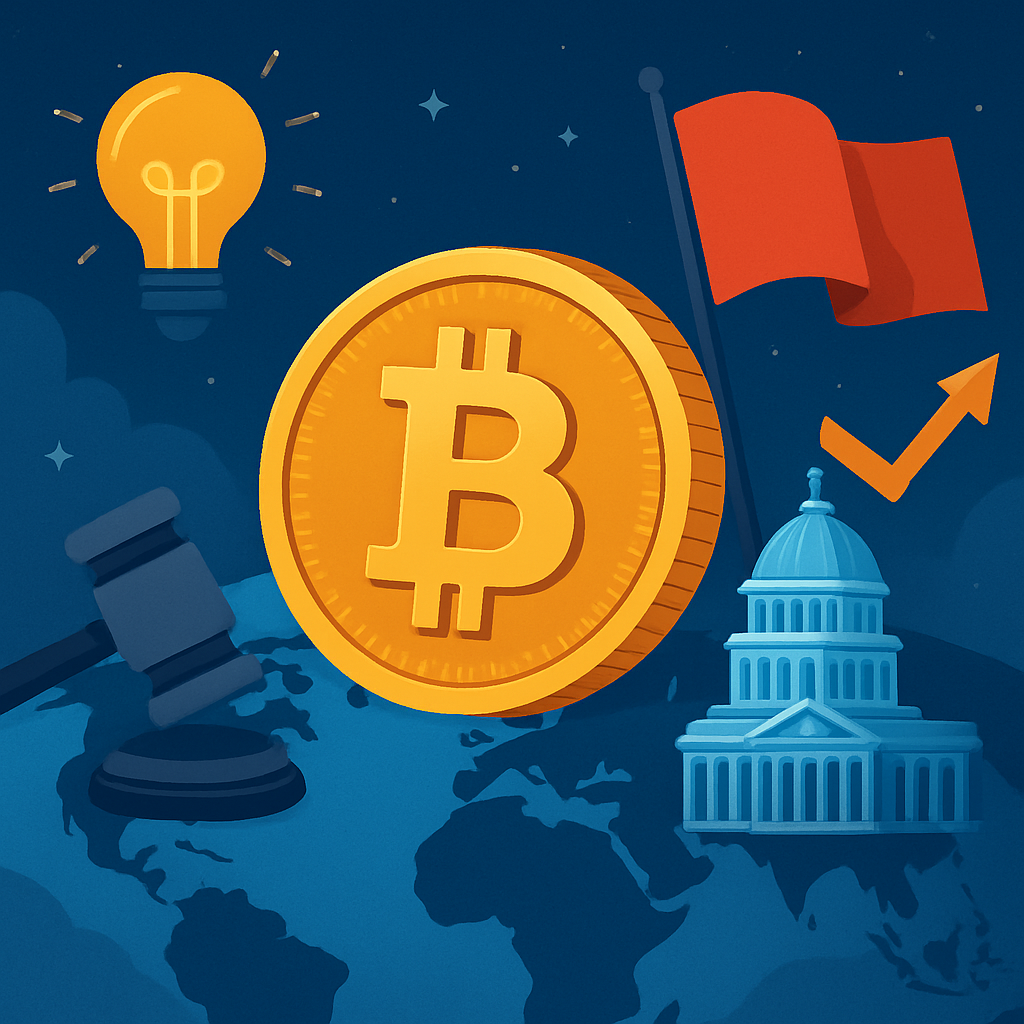
The crypto world is no stranger to volatility, but the current climate goes beyond price swings. As the industry matures, the interplay between innovation, regulation, and politics is becoming increasingly complex. From state taxes in the U.S. to global regulatory frameworks, the crypto landscape is undergoing significant changes that will shape its future.
U.S. Regulation: A Patchwork of Policies
In Illinois, a new 0.2% tax on crypto transactions has brought regulatory challenges to the forefront. CFTC Chair Michael Selig has criticized the tax as a potential deterrent for business in Chicago, a hub for financial innovation. The concern is that such state-level impositions could undermine efforts to attract institutional capital and startups just as the U.S. inches toward a cohesive national framework.
Meanwhile, the CLARITY Act in the Senate has gained traction, supported by notable figures like Senator Cynthia Lummis and law enforcement groups. This legislation aims to move U.S. crypto out of regulatory uncertainty, but the political landscape is fraught with conflicts of interest and ethical debates, particularly concerning the substantial crypto earnings of former President Trump.
Global Regulatory Divergence: A Tale of Two Approaches
Outside the U.S., nations are charting their own paths. Brazil is instituting strict regulations akin to traditional financial institutions, emphasizing transparency and risk control. Conversely, India is maintaining a cautious stance, favoring central bank digital currencies over private crypto, potentially setting a precedent for others to follow.
The European market, under the MiCA framework, is embracing a more unified approach. With stringent requirements for licensing, the EU is institutionalizing crypto, as evidenced by the growing list of authorized firms. This harmonized regime is simplifying operations for companies like Bridge, which is now able to offer stablecoin services across Europe.
Security and Market Dynamics: A New Era
As regulatory frameworks tighten, security concerns remain paramount. The extradition of a cybercriminal involved in a crypto ransom case exemplifies the importance of international cooperation in tackling crypto-related crimes. Networks are also proactively enhancing security measures, with TRON's quantum-resistant upgrade on its testnet being a case in point.
Market dynamics continue to intrigue investors, with XRP's recent rally highlighting the interplay of technical and fundamental factors. As the token tests new resistance levels, its performance underscores the importance of robust institutional strategies and regulatory clarity in sustaining momentum.
Key Takeaway: The crypto landscape is evolving rapidly, with significant regulatory and technological shifts on the horizon. As states like Illinois experiment with new taxes and global powers like Brazil and India redefine their crypto strategies, the broader market's future hinges on balancing innovation with robust regulation. Investors must navigate this complex terrain with an eye on both local policies and global trends.
```
Comments
Comments
Post a Comment