
 ```html
Crypto Chronicles: From Geopolitics to Tokenization
Geopolitical Tensions and Regulatory Clamps
In a bold move that underscores crypto's intersection with geopolitics, the U.S. Treasury has frozen over $130 million in cryptocurrencies linked to Iran’s central bank and expanded sanctions on numerous Cuba-related addresses. This action sends a clear message: digital assets used to bypass global financial sanctions will face stringent regulatory scrutiny. For crypto users and businesses, it's a reminder that compliance is critical as regulatory oversight tightens, particularly where national security is involved.
Wall Street's Tokenization and Asia's Crypto-Friendly Frontiers
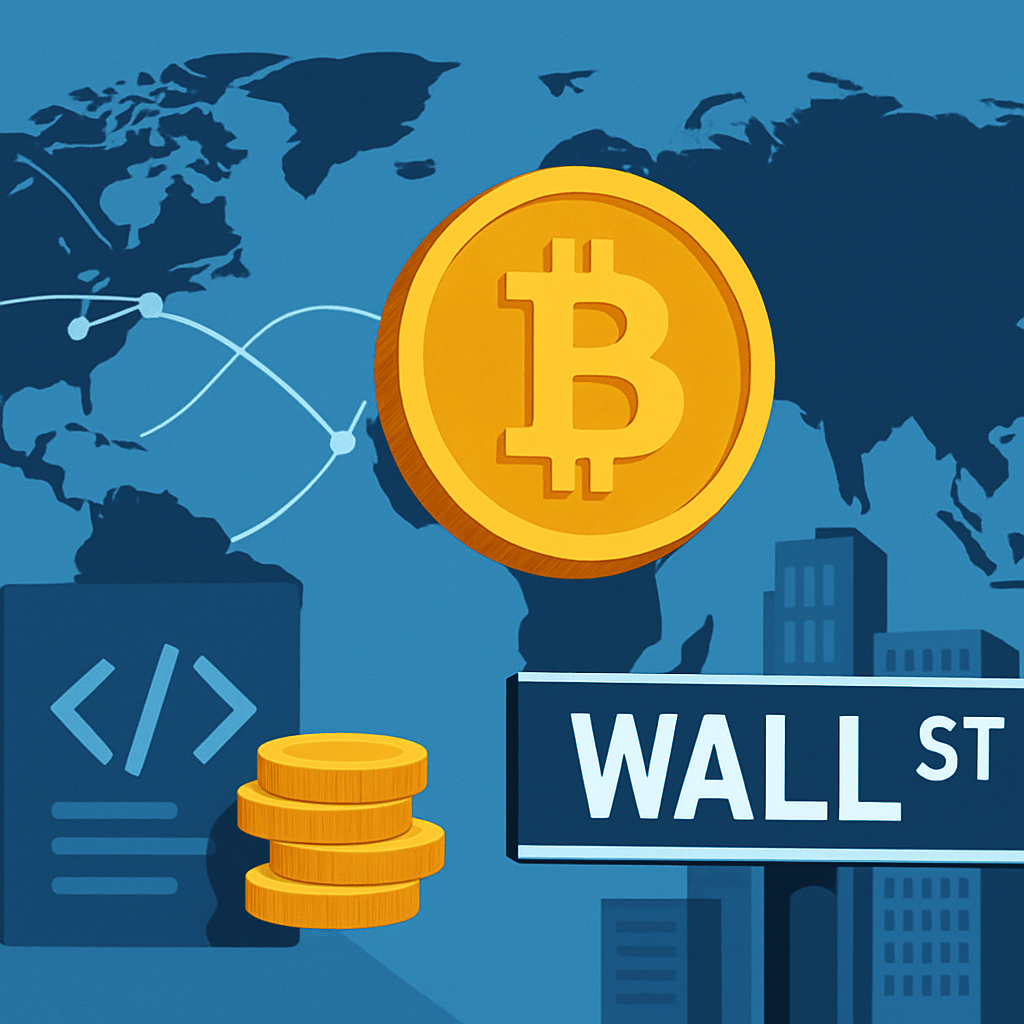
Despite regulatory pressures, Wall Street is making strides in crypto adoption. Morgan Stanley is advancing its plans for spot Ethereum (ETH) and Solana (SOL) ETFs, with Coinbase as a custodian and staking facilitator. This marks a significant step toward integrating crypto assets into mainstream financial portfolios, offering institutions a refined entry into the smart-contract domain.
Simultaneously, Asia is emerging as a regulatory powerhouse. South Korea's forthcoming National Asset Basic Act aims to classify cryptocurrencies as state assets, signaling their strategic economic importance. Japan is also making waves with crypto-friendly reforms, recognizing digital assets as financial instruments and reducing tax burdens, setting the stage for increased institutional investment.
Infrastructure Innovations and Market Dynamics
The Ethereum ecosystem is buzzing with innovation as EthSystems launches to provide privacy tech for institutional blockchain usage. This move is pivotal for enabling secure participation in public blockchains without compromising sensitive data.
On the market front, Bitmine's pivot to Ethereum staking has paid off, contributing significantly to its revenue. Meanwhile, the DTCC has partnered with major financial institutions to bring tokenized stocks and securities into live production, marking a crucial step toward a tokenized capital market.
- Securitize and Cantor Fitzgerald plan to issue tokenized securities within existing U.S. regulations.
- DeFi platform Aave V4 expands to Avalanche, targeting tokenized real-world assets.
Market volatility remains high as macroeconomic factors like U.S. inflation influence crypto prices. Ethereum saw a notable 5% increase, driven by favorable economic data and institutional interest.
Key Takeaway: As regulators tighten their grip on illicit crypto use, Asia leads with progressive policies, Wall Street embraces tokenization, and stablecoins face heightened competition. While price swings continue, the foundation of a more onchain financial system is being actively constructed.
```
Comments
Comments
Post a Comment