
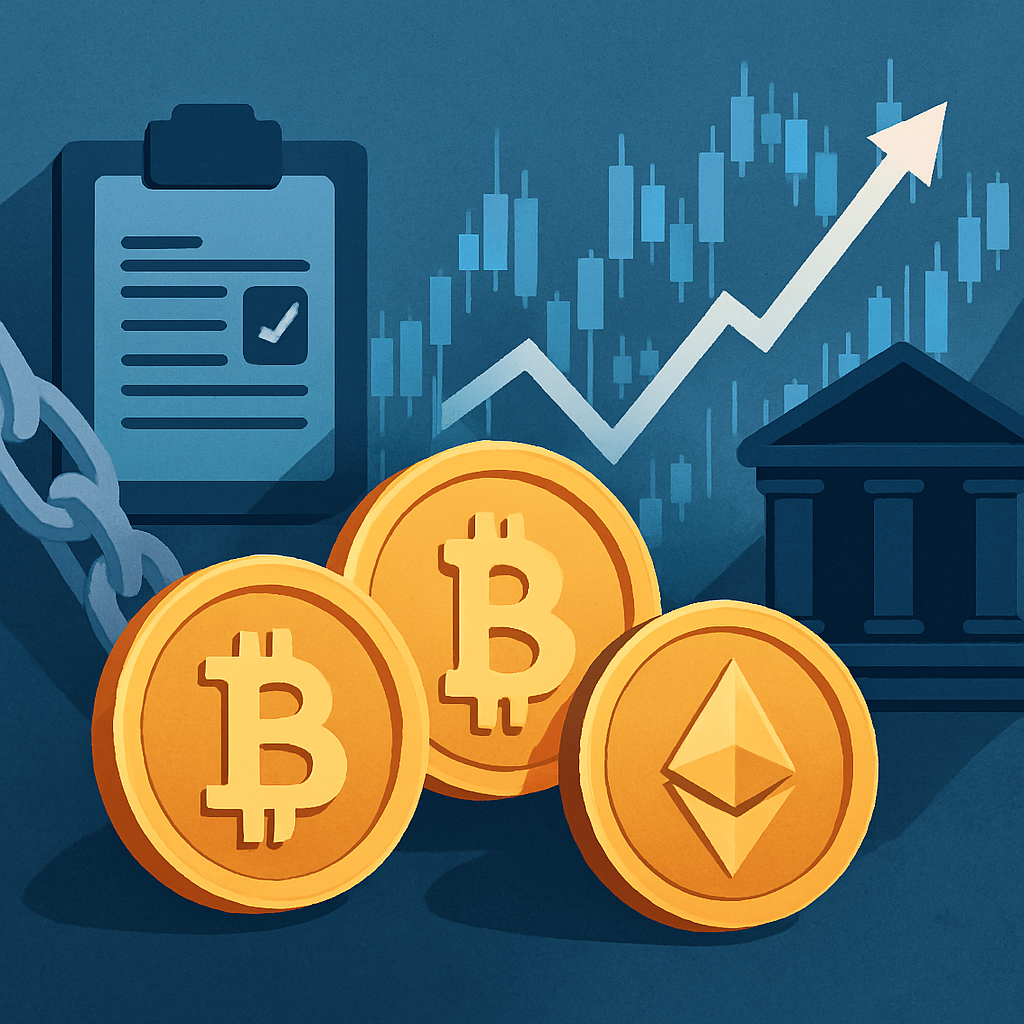
Crypto Talkies: Navigating the Shifting Landscape of Regulation and Stablecoins
The world of cryptocurrency is in flux, caught in a whirlwind of regulatory tightening, institutional maneuvers, and market transformations. While regulators are laying down new rules, traditional financial institutions are adapting, leaving traders in a precarious position as they watch market prices fluctuate and infrastructure evolve.
The Stablecoin Conundrum: Regulations vs. Market Needs
A recent report by CEPR/LTI, supported by the Bank for International Settlements, has cast a spotlight on the vulnerabilities of private stablecoins. Unlike Bitcoin or fiat currencies, stablecoins depend on private issuers, creating potential fragmentation and instability. The underlying message is clear: the future may favor tokenized central and commercial bank money over private tokens like USDT and USDC.
This regulatory pressure is palpable in India, where a crackdown has led to an 8.5% premium on USDT, reflecting the difficulty of importing stablecoins. The dilemma for regulators is clear: enforce strict controls and risk market strain or adopt a lenient approach and face potential risks.
Institutional Moves and Market Dynamics
As stablecoins navigate regulatory challenges, they are also pivoting within the DeFi landscape. Hyperliquid's transition from USDH to USDC, supported by a $10 million grant, and BNY Mellon's embrace of USDC for institutions highlight a strategic shift among financial giants.
Remarkably, BlackRock's integration of Ethena’s USDe into its Aladdin platform signifies a growing acceptance of digital dollars. This move not only elevated Ethena’s ENA token but also signaled a broader institutional endorsement of stablecoins within traditional risk frameworks.
Global Regulatory Developments and Market Reactions
The regulatory landscape is evolving rapidly. In Europe, MiCA regulations are forcing crypto firms to comply or cease operations, a development that impacts millions of users. Meanwhile, in the U.S., the CLARITY Act faces legislative hurdles, with its future uncertain as lawmakers race against time.
Contrastingly, Ukraine has embraced crypto by managing seized USDT through state channels, signaling a pragmatic approach to digital assets. Yet, amid regulatory turbulence, the market remains pressured, with Bitcoin and Ethereum experiencing price declines, though XRP bucks the trend with renewed interest.
Key Takeaway: The cryptocurrency market is undergoing significant structural changes. While stablecoins face regulatory scrutiny, they are also being embraced by major financial institutions. As regulations tighten globally, institutions are quietly accumulating assets like Ethereum, reshaping crypto's role in traditional finance. Amidst these shifts, the crypto landscape continues to evolve, presenting both challenges and opportunities for investors and enthusiasts alike.
Comments
Comments
Post a Comment