
Crypto Talkies: Crypto’s Busy Day in Politics, Protocols, and Price Action
Today has been a whirlwind in the crypto world, with significant developments ranging from market movements to regulatory shifts. While the market itself may not have witnessed explosive fireworks, the undercurrents in protocol engineering and political arenas could shape the next chapter of the crypto cycle.
Market Movers and Shakers
XRP emerged as a standout, buoyed by geopolitical progress between the US and Iran. The token successfully breached the $1.20–$1.28 range, only to face resistance near $1.30. With open interest in XRP derivatives climbing and on-chain sentiment improving, traders are keenly watching this battleground. Holding the current range could signal a breakout, while a failure might reduce the rally to just a temporary squeeze.
Meanwhile, Uniswap's (UNI) market performance was robust, with a notable 20% gain. This surge was supported by a bullish outlook from Standard Chartered, projecting a potential $100 price for UNI by 2030. As decentralized exchanges solidify their role, UNI becomes a long-term bet for many investors.
Protocol Upgrades and Innovations
The XRP Ledger's transition from "rippled" to "xrpld" marks a significant technical upgrade, focusing on decentralization and network resilience. Backed by Ripple CTO David Schwartz, the update arrives at a time when speculative interest in XRP is intensifying.
Ethereum's "Glamsterdam" upgrade is another milestone, now in its final development phase. This anticipated change aims to reshape Ethereum's infrastructure by introducing enshrined proposer-builder separation and significant gas repricing tweaks, setting the stage for improved scalability and transparency.
Political and Regulatory Developments
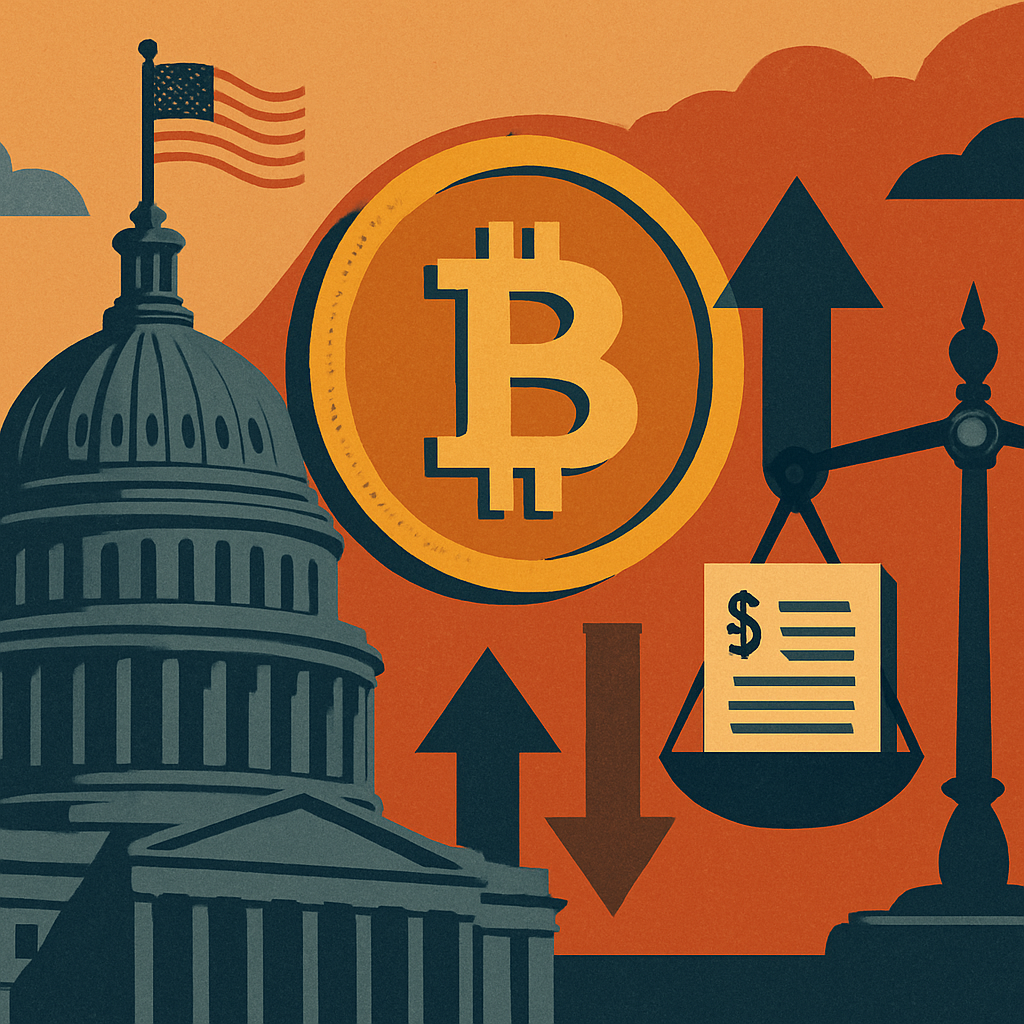
In the US, a bipartisan decision halted the Federal Reserve from issuing a central bank digital currency until 2030, allowing private crypto and stablecoins to flourish without competition from a digital dollar. However, not all regulatory news was positive. Illinois implemented a 0.2% tax on digital asset transactions, sparking concern over its impact on local innovation.
Globally, China's call for stricter international monitoring of stablecoins highlights the geopolitical tension between state-backed digital currencies and privately issued tokens. Despite regulatory hurdles, investment in stablecoin infrastructure continues to grow, as evidenced by Trace Finance's recent funding round.
Key Takeaway: Today's developments in crypto highlight that price action is merely one piece of the puzzle. The ongoing evolution in protocols, regulatory frameworks, and market infrastructure will ultimately determine which projects thrive in the coming cycles. Crypto enthusiasts and investors should keep an eye on these foundational changes, as they are the true drivers of long-term success in the digital asset landscape.
Comments
Comments
Post a Comment